


Brazil's government is moving to raise the mandatory share of anhydrous ethanol in gasoline from 30% to 32%, a step officials present as a way to reduce fuel costs, cut imports and support domestic biofuel production.
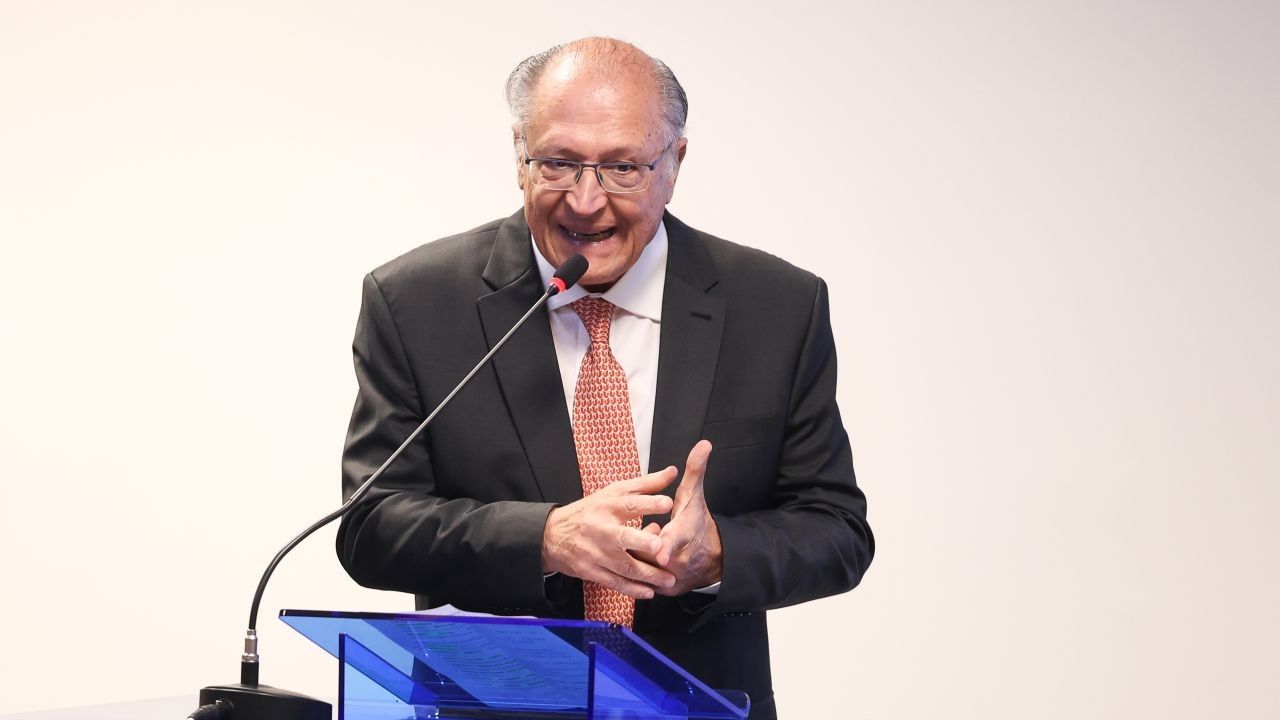
Vice President Geraldo Alckmin said during a federal government agenda in Mato Grosso that the National Energy Policy Council, known by its Portuguese acronym CNPE, was expected to approve the change at a meeting scheduled for June 24. The council sets broad energy policy and is chaired by Mines and Energy Minister Alexandre Silveira.
Why the Blend Matters
Brazil already uses a high ethanol blend by international standards. Alckmin said the proposed E32 mixture would be unmatched globally, saying: "No one in the world" uses 32% ethanol in gasoline. He argued that the measure would help the environment, the economy and the agro-industrial chain.
The policy sits inside Brazil's Future Fuel Law, a regulatory framework signed by President Luiz Inácio Lula da Silva in October 2024 to expand renewable fuels and reduce greenhouse gas emissions in energy and transport. The law changed the legal limits for ethanol blended into gasoline C, Brazil's retail gasoline blend, and for biodiesel mixed into diesel.
The last ethanol adjustment raised the share from 27.5% to the current 30%. According to SBT News, the CNPE approved that change in June 2025 and it took effect in August. Diesel currently contains up to 15% biodiesel, known as B15.
Price and Supply
Folha de S.Paulo reported that Lula planned to meet representatives of the sugarcane and ethanol sector on June 9 to discuss ways to reduce consumer fuel prices. The higher ethanol blend was part of that agenda, alongside concern inside the government about price increases between mills and retail pumps.
According to calculations by the Ministry of Mines and Energy cited by Folha, raising ethanol from 30% to 32% would allow fuel distributors to cut gasoline imports by 454 million liters over 180 days, the period in which the measure would be in force. The ministry also estimated that the change could reduce carbon emissions by about 552,000 metric tons of CO2.
The government has linked the proposal to volatility in oil markets caused by conflict in the Middle East involving the United States, Israel and Iran. More ethanol in the fuel mix would reduce exposure to imported gasoline while increasing demand for a fuel produced domestically, mainly from sugarcane and corn.
Tests and Industry Chain
To defend the proposal, the Mines and Energy Ministry says it tested E30 and E32 blends in 2025 with support from the Instituto Mauá de Tecnologia. Folha reported that the tests involved light vehicles and motorcycles, including both flex-fuel and gasoline-only models.
The ministry also said the testing followed legal and technical requirements tied to earlier changes in the fuel blend. A 1993 law requires testing one percentage point above the proposed blend, while another percentage point comes from industry technical standards.
Alckmin framed the higher ethanol share as industrial policy as well as energy policy. He said Brazil would be adding value rather than selling only primary products, and pointed to byproducts such as dried distillers grains, a protein-rich feed ingredient produced in corn ethanol manufacturing.
The proposal therefore combines several policy goals: consumer fuel prices, trade exposure, emissions and farm-linked industry. The available reporting does not state the final CNPE decision, only the government's expectation before the scheduled meeting and the figures used by officials to justify the change.