
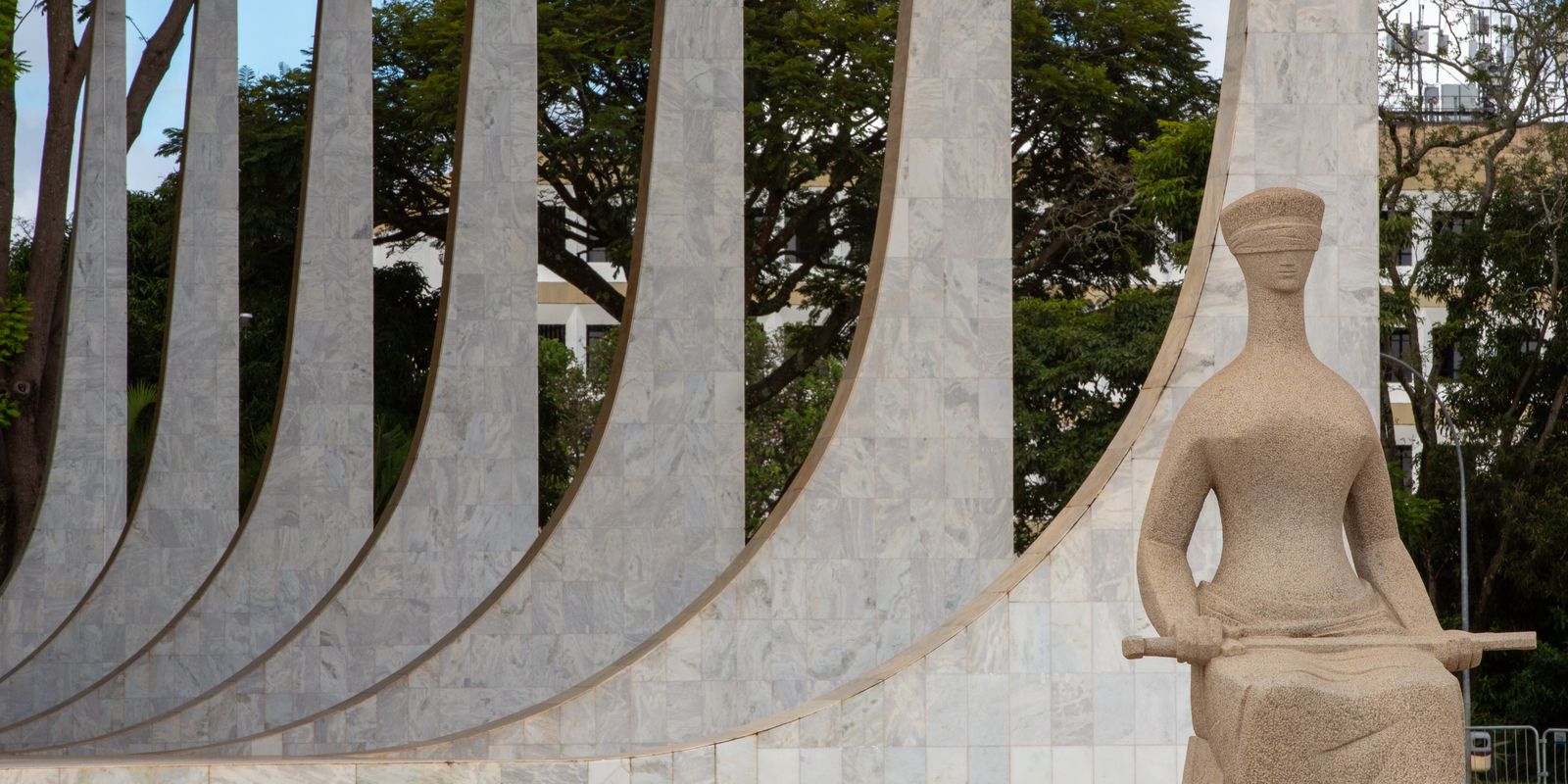
Brazil's Supreme Federal Court (STF) has given large technology platforms 60 days to implement measures tied to a new liability regime for illegal user-generated content. The order came as the court reviewed appeals from platforms and technology-sector groups seeking clarification of a ruling that partly struck down Article 19 of the Marco Civil da Internet, Brazil's Internet Civil Rights Framework.
The decision keeps pressure on platforms while the court finalizes the wording of its legal thesis. According to Agência Brasil and G1, Justice Dias Toffoli, the reporting justice, said he would present adjusted language at a session scheduled for June 17.
What Changes
Article 19 had required a court order before platforms could be held civilly liable for failing to remove user content. The STF ruled in 2025 that the provision did not offer sufficient protection for fundamental rights and should be interpreted so providers can face civil liability in defined circumstances.
The new framework requires platforms to take more active measures against certain illegal content after extrajudicial notice. Agência Brasil listed categories including terrorism, inducement to suicide or self-harm, child sexual abuse material, human trafficking, crimes against women and incitement to discrimination. The court also ordered platforms to keep a legal representative in Brazil to receive judicial notices.
G1 reported that the 60-day period applies to duties of care, including risk-reduction measures, self-regulation and specific channels for content-removal requests. The same report said Toffoli's proposed adjustments preserve obligations involving attacks on democratic institutions, terrorism, incitement to racism and suicide inducement, as well as punishment in cases of systemic failure.
A Disputed Boundary
The ruling exposed a familiar Brazilian institutional dispute: how far courts may go when Congress has not approved a new statute. TechPolicy Press reported that, after the Lula administration issued decrees intended to regulate the new liability environment, lawmakers filed 26 legislative decree proposals within 24 hours to suspend or alter them.
Those proposals, according to TechPolicy Press, argue that the decrees exceed executive authority, create new obligations, risk private censorship, threaten free expression and place matters outside the mandate of Brazil's National Data Protection Authority (ANPD). The same outlet reported that industry groups, including the Brazilian Chamber of the Digital Economy, criticized the regulatory route as unusual and warned of legal uncertainty and excessive takedowns.
Inside the STF, ministers also differed on the consequences for speech. Agência Brasil quoted Justice André Mendonça warning that the rules could create an inhibiting effect on free expression through delegated enforcement by platforms. Justice Flávio Dino rejected that concern, arguing that social networks still display large volumes of criminal conduct.
Election-Year Pressure
Reporternordeste, citing technology-sector sources and CNN Brasil reporting, said companies view the 60-day deadline as politically sensitive because it overlaps with the start of official electoral advertising scheduled by Brazil's Superior Electoral Court (TSE) for August 17. That concern is based on single-source reporting from Reporternordeste and should be read as the companies' assessment, not as a finding by the court.
The outlet also reported industry fears that the ruling could give the TSE and the ANPD wider practical influence over online content during the campaign. The ANPD, originally created to handle personal-data protection, has been presented by the Lula administration as part of the oversight structure for platforms.
For Brazil, the practical question is now implementation. The STF has changed the legal baseline, the executive is trying to regulate around it, Congress is resisting parts of that move, and platforms face a tighter timetable to adjust moderation systems, legal representation and complaint channels while warning that vague standards may encourage removal of lawful speech.