


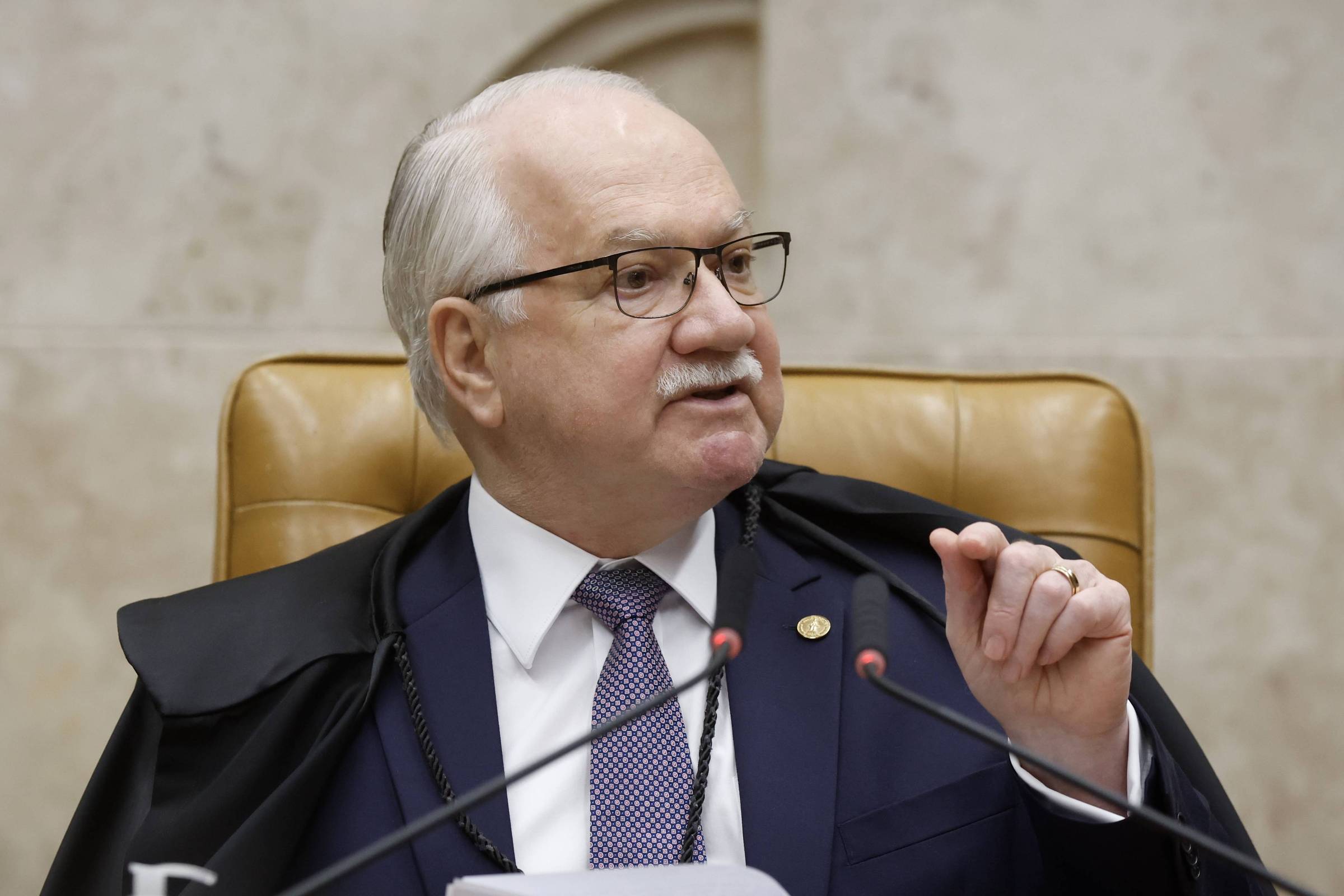
Photo: Folha de S.Paulo.
Supreme Court Chief Justice Edson Fachin intervened on September 9 after two justices issued competing orders over the leadership of Brazil’s Federal Police. Fachin suspended both André Mendonça’s order removing director-general Andrei Rodrigues and Flávio Dino’s later order reinstating him. Rodrigues therefore remained in office while the court’s full bench was expected to consider the dispute. Fachin said the conflicting commands created procedural overlap and a threat to public order and the court’s integrity.
In a separate step, Fachin removed Justice Alexandre de Moraes as rapporteur of the STF’s Fake News Inquiry, which had been opened in 2019, and assumed responsibility for it himself. The chief justice preserved decisions Moraes had already issued and said he would review pending matters, which could later be sent to the Prosecutor-General’s Office for a decision on charges or dismissal. Fachin also scheduled a plenary session to examine a Federal Police report identifying Moraes as an interlocutor of former banker Daniel Vorcaro, and the Prosecutor-General’s request to invalidate the report.
The actions followed the previous day’s removal order against Rodrigues and a subsequent reinstatement order by Dino. Each justice cited different concerns about police leadership and the handling of intelligence reports connected to Mendonça. Fachin’s intervention did not resolve those underlying allegations; it suspended the competing decisions and centralized further steps under the court presidency.
The Fake News Inquiry has drawn longstanding criticism over its origin, scope and duration, while supporters have described it as a response to threats against the court. Fachin’s decision changed who supervises the inquiry, but left prior acts in force and did not terminate it. The court’s scheduled review of the police report and the pending proceedings were still outstanding at the time of publication.