
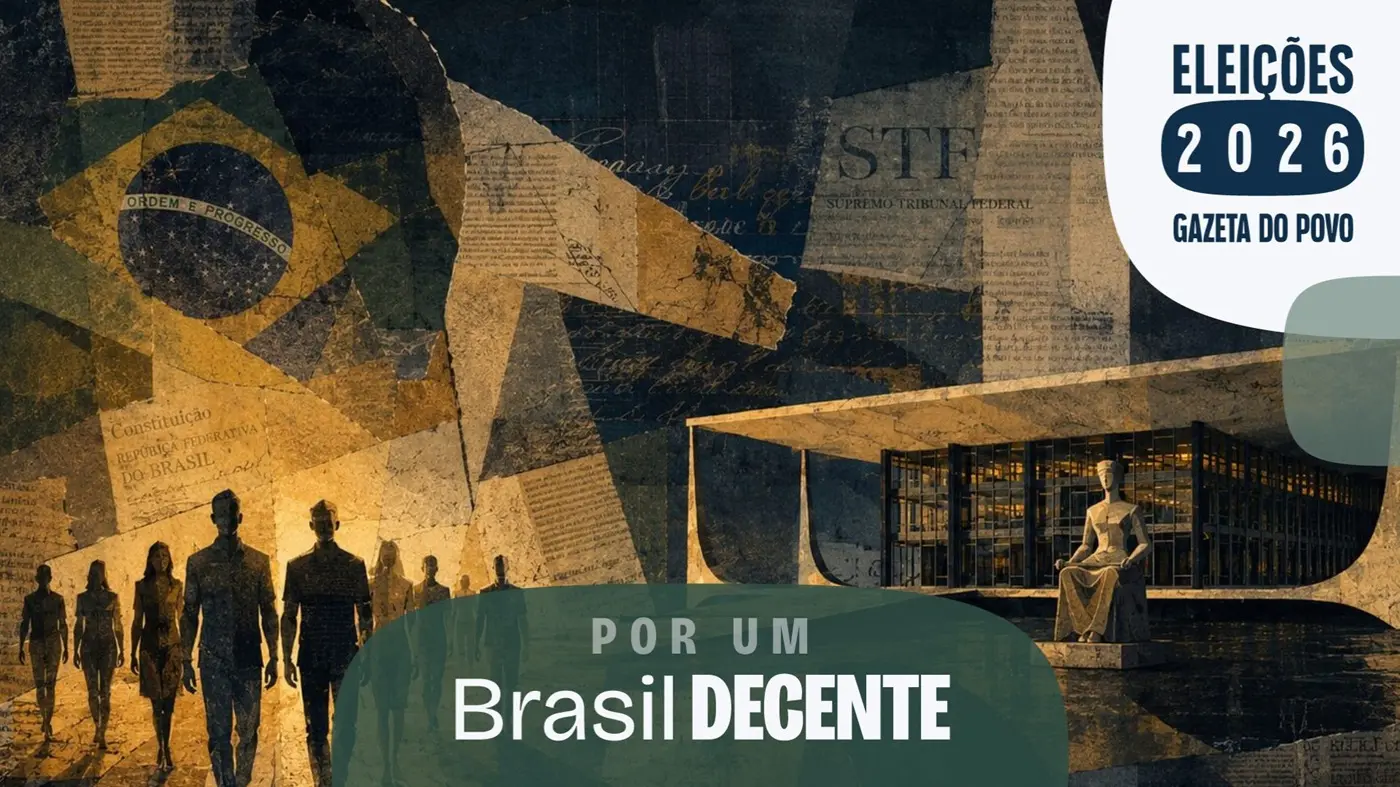
A new wave of free-speech activism is taking shape in Brazil as court decisions, platform rules and proposed online-safety measures become central issues ahead of the 2026 elections.
The movement includes new associations, think tanks, academic manifestos and bills in Congress. Its organizers argue that Brazil has normalized prior restraint and account blocking in the name of fighting disinformation, hate speech or attacks on institutions. Government officials and supporters of tighter rules say the measures are needed to protect women, elections and democratic institutions online.
A New Organized Front
One of the newest groups is Free Speech Union Brasil (FSU-BR), a Substack-based association launched this year that describes itself as dedicated to defending free expression, fighting censorship, helping people who say they have been censored and promoting a culture of liberty.
Gazeta do Povo, a conservative newspaper, reported that the group is led by journalist Eli Vieira and has already intervened in debates over legislation, including a bill that would criminalize the spread of false information about vaccines. The same report says FSU-BR has supported podcaster Bruno Aiub, known as Monark, whose legal disputes over online speech have made him a symbol for activists critical of Brazil’s current approach.
Other initiatives cited by Gazeta include Voxius, a free-expression research center linked to Instituto Sivis, and Pluralismo Acadêmico, a network of professors and researchers that says Brazilian public universities face ideological conformity, self-censorship and intolerance of dissent.
The Legal Backdrop
The debate is closely tied to Brazil’s Supreme Federal Court (STF) and the Superior Electoral Court (TSE), which have ordered removals of posts and blocks on social-media accounts in investigations involving anti-democratic acts, alleged disinformation and attacks on public institutions.
Gazeta’s account traces the current controversy to a series of high-profile cases since 2019, including the STF’s order against Crusoé magazine and O Antagonista; blocks on conservative figures’ social-media profiles; electoral-court removals during the 2022 campaign; and later sanctions involving Monark, journalists Paulo Figueiredo and Rodrigo Constantino, Rumble and X. Those cases are disputed: critics call them censorship, while authorities and supporters describe them as enforcement against illegal conduct or threats to democratic institutions.
The issue has also entered comedy, journalism and academia. Gazeta cited the case of comedian Léo Lins, who was sentenced at first instance to eight years and three months in prison over jokes considered discriminatory, before a federal appeals court reversed the conviction in February 2026.
Misogyny and Platform Rules
A separate but related fight concerns proposed rules against misogyny and online abuse. Folha de S.Paulo reported in March that President Luiz Inácio Lula da Silva’s government was preparing a decree to protect women online, including measures against coordinated attacks on female candidates and journalists and against artificial-intelligence tools used to create intimate fake images.
According to Folha, the draft would set clearer moderation duties for platforms, create reporting procedures for victims and require quick action or justification in cases involving non-consensual intimate content. The proposal is part of the national pact against femicide and involves the Justice Ministry, the Women’s Ministry and the federal communications office.
In the Senate, Senator Damares Alves of Republicanos-DF said Brazil needs to confront hatred against women but warned that the misogyny bill, PL 896/2023, could affect freedom of expression and religious liberty. Senate News quoted her as saying the text needed more care to avoid legal uncertainty.
An Election-Year Test
Free speech is likely to become an electoral issue in 2026, especially among opposition candidates running for Brazil’s Chamber of Deputies and Senate. Gazeta reported that some right-wing candidates are expected to link the theme to criticism of STF powers and proposals to increase congressional oversight.
One pending proposal, PL 6378/2025, would require Brazil’s National Justice Council to publish statistics on judicial orders blocking, suspending or deleting social-media accounts. Another, PL 3046/2022, deals with the blocking of lawmakers’ accounts and would give Congress a final say in some cases involving parliamentarians.
For now, the dispute remains broader than any single bill. It is a fight over who should define the limits of lawful speech in Brazil: courts, Congress, the executive branch, digital platforms or civil society itself.