


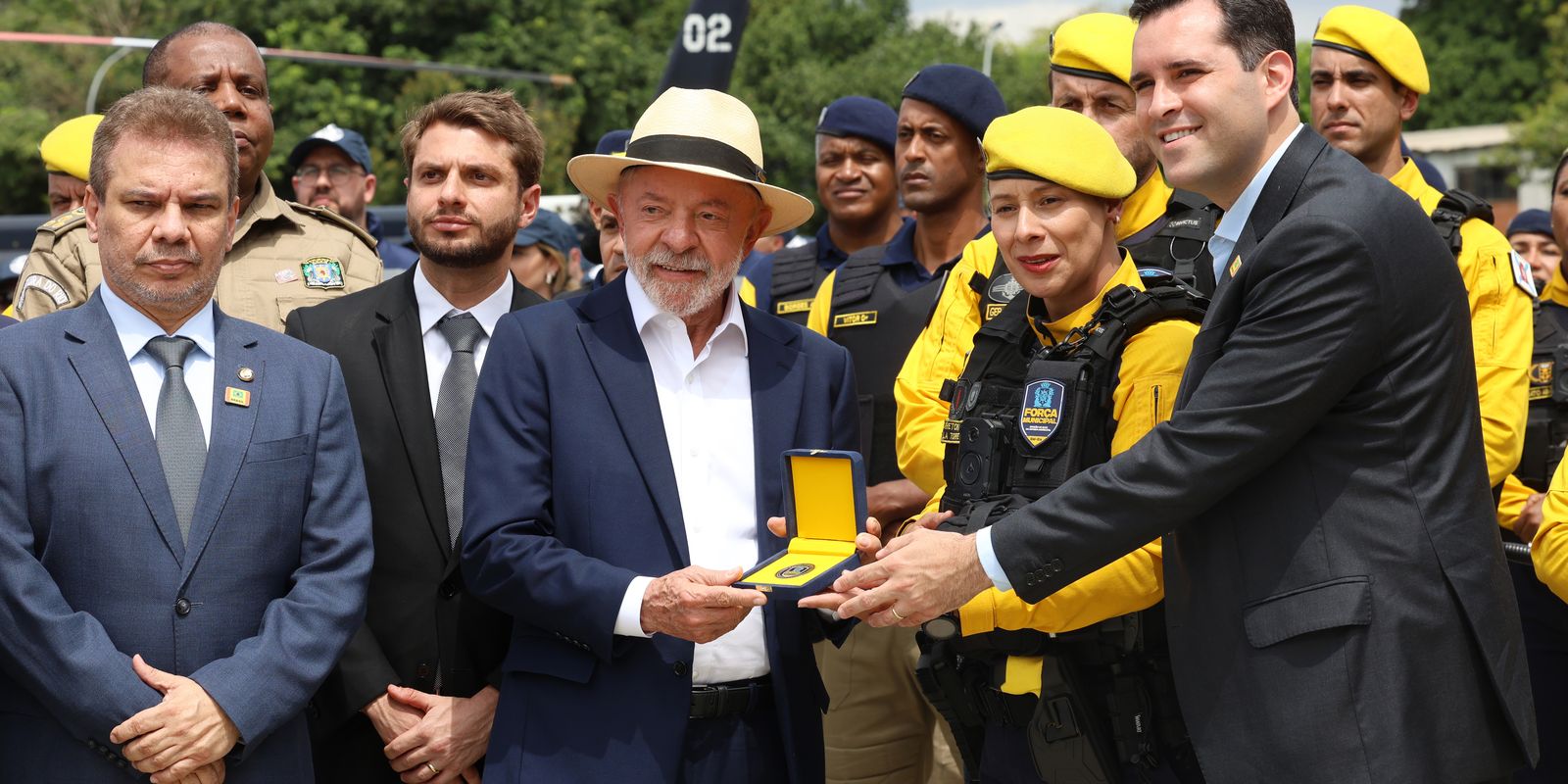
Photo: Agência Brasil.
President Luiz Inácio Lula da Silva announced a pilot plan on September 18 to expand coordination among federal, state and municipal authorities against organized crime in Rio de Janeiro. The initiative focuses on shared intelligence, coordinated policing and inspections along major highways and in selected territories. It also aims to target cargo theft, weapons and drug trafficking, and the financial networks used by criminal groups.
Lula described the programme as a possible model for other states if it proved effective in Rio. The announcement followed his government’s criticism of the division of public-security responsibilities under the 1988 Constitution, which leaves ordinary policing primarily with state governments. The Justice Ministry said the pilot was intended to increase the federal role while working with the state and municipal authorities rather than replacing them.
The announcement came during the presidential campaign, when Flávio Bolsonaro and U.S. President Donald Trump had criticized Lula’s record on organized crime. Lula rejected the suggestion that the United States should determine Brazil’s counter-crime policy and said the criminal groups sought profit rather than political change. Those remarks reflect the government’s stated position; they do not establish whether the pilot will reduce organized-crime activity.
The plan is distinct from the federal anti-crime programme announced in May, which included measures on arms trafficking, criminal finances, homicide investigations and the prison system. The September initiative is a specific Rio pilot built around joint operations and logistics corridors. The government had not yet published outcome data for the new programme when it was announced, so its effectiveness remains to be assessed after implementation.