


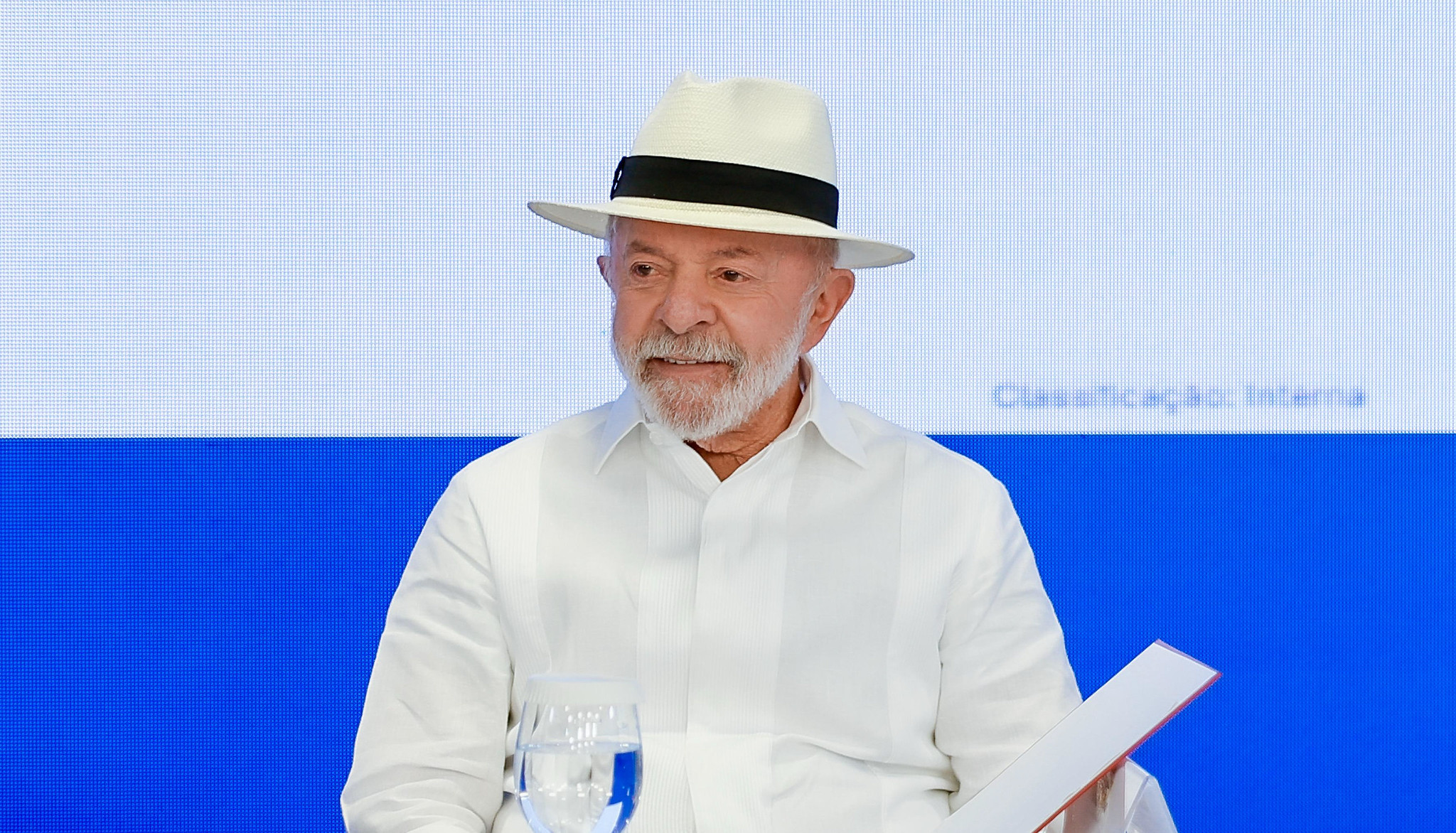
President Luiz Inácio Lula da Silva inaugurated the Major Sales Tunnel in Rio Grande do Norte on Thursday, July 2, before water from the São Francisco River diversion project had reached the site, according to single-source reporting from Revista Oeste.
The tunnel is part of the Apodi branch of the water-transfer system, a major federal infrastructure project designed to move water from the São Francisco River toward drought-prone areas of Brazil’s Northeast. The structure runs for 6.5 kilometers (about 4 miles) and has capacity to carry up to 20 cubic meters of water per second (about 706 cubic feet per second).
Delayed Water
Lula said during the event that a “calculation error” prevented the water from arriving in time for the inauguration. Revista Oeste reported that Brazil’s presidential palace, the Palácio do Planalto, told the press there had been no structural failure and that the water was still moving through the project’s system during the ceremony.
The tunnel connects Paraíba and Rio Grande do Norte and is expected to benefit about 750,000 people in 54 municipalities across those two states and Ceará. The water reached the tunnel hours after the event, during the early morning, according to the report. Rio Grande do Norte Governor Fátima Bezerra, a member of Lula’s Workers’ Party (PT), later posted videos of the water’s arrival on social media.
Election Restrictions
Lula also used the speech to criticize Brazil’s electoral restrictions on public works ceremonies. The rules, part of the country’s Election Law, bar certain state actions in the three months before the first round of voting, including institutional advertising, public hiring in some circumstances and inaugurations of public works attended by authorities.
The restriction took effect on Saturday, July 4, three months before the first round of the 2026 election. Lula said he could only inaugurate public works until that date because of the start of the electoral period. He added that he could still visit worksites after the deadline, but without making public statements during those visits.
Revista Oeste reported that Lula described the rule as a “damned nonsense,” a loose translation of the Portuguese expression he used. The legal purpose of the restriction is to keep public institutions from being used to favor candidates and to preserve balance in the electoral contest.
The episode combined two politically sensitive themes for the Lula administration: federal infrastructure in the Northeast, a region central to his electoral coalition, and the limits imposed on incumbents during campaign season. The report did not include statements from electoral authorities or opposition figures about Lula’s remarks.