
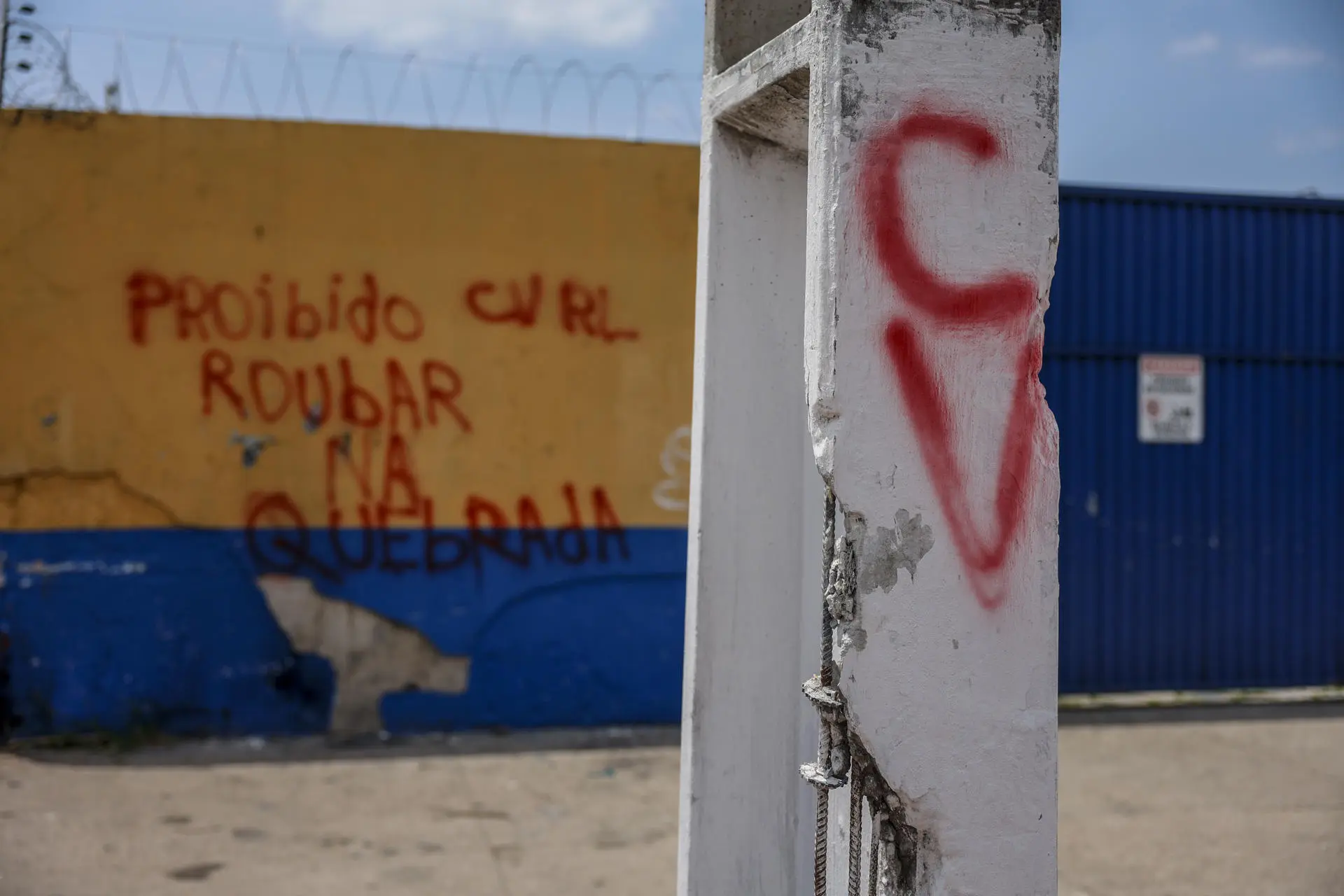
A retired Brazilian federal judge known for fighting organized crime on the country’s western border has backed the United States’ decision to classify two of Brazil’s largest criminal factions as terrorist organizations.
Odilon de Oliveira, 76, told Estadão he agrees with Washington’s designation of the Primeiro Comando da Capital (PCC), Brazil’s most powerful prison-born criminal network, and Comando Vermelho (CV), the Rio de Janeiro-based Red Command. He argued that each country has the sovereign right to define terrorism under its own laws.
Washington’s Move
U.S. Secretary of State Marco Rubio announced the measure on May 28, saying the PCC and CV are “two of Brazil’s most violent criminal organizations.” In the State Department statement reproduced by G1, Washington said the groups command thousands of members, have orchestrated attacks against police, public officials and civilians, and operate illicit networks beyond Brazil’s borders.
Brazilian outlets reported different effective dates for the foreign terrorist organization designation. G1 and BBC Brasil cited June 5, 2026, while Estadão and Gazeta do Povo reported July 5. The State Department statement said the designations would take effect after publication in the Federal Register.
The move followed a meeting between Rubio and Senator Flávio Bolsonaro, a right-wing lawmaker from Rio de Janeiro and son of former president Jair Bolsonaro. BBC Brasil, citing international coverage, reported that The New York Times framed the decision as coming after pressure from the Bolsonaro family, while the Financial Times said Washington had been considering the step for at least a year.
A Judge’s Argument
Oliveira became nationally known for sentencing Fernandinho Beira-Mar, one of Brazil’s best-known drug traffickers, and for ordering the arrests of more than 100 traffickers and major smugglers during three decades as a federal judge near the borders with Paraguay and Bolivia.
“I agree with the American framing of the PCC and CV as terrorist groups,” Oliveira told Estadão. “Each country, supported by its sovereignty, is free to conceptualize terrorism and classify as such acts committed by any group.”
He rejected the argument that Donald Trump’s administration was violating Brazil’s sovereignty. In his view, the United States is applying its own legal tools and not forcing Brazil to adopt the same classification.
Oliveira cited the PCC’s 2006 attacks in São Paulo and the Red Command’s territorial control in parts of Rio de Janeiro as examples of conduct that, in his assessment, supports the terrorist label. He said the factions have weapons, technical capacity and transnational reach.
Brazil’s Sovereignty Debate
The classification has become part of a broader political dispute in Brazil. The Lula administration had resisted the label, according to BBC Brasil, arguing that the groups do not pursue ideological goals and warning that the designation could be used as a pretext for U.S. intervention.
G1 also highlighted concerns inside the Brazilian government about any foreign action beyond cooperation. At the same time, supporters of the U.S. decision argue that the designation could increase pressure on the factions’ financial networks, including laundering operations inside the formal economy.
Oliveira said Brazil’s main problem is not terminology but enforcement capacity. He warned that organized crime has infiltrated public administration and said the total elimination of the PCC and Red Command is impossible, though their criminal activity can be reduced.
Now living in Campo Grande, in Mato Grosso do Sul state, Oliveira told Estadão he still believes he is marked for death by organized crime. He said he leaves home rarely and lives under strict security measures, a personal measure of the threat he says Brazil still has not contained.