


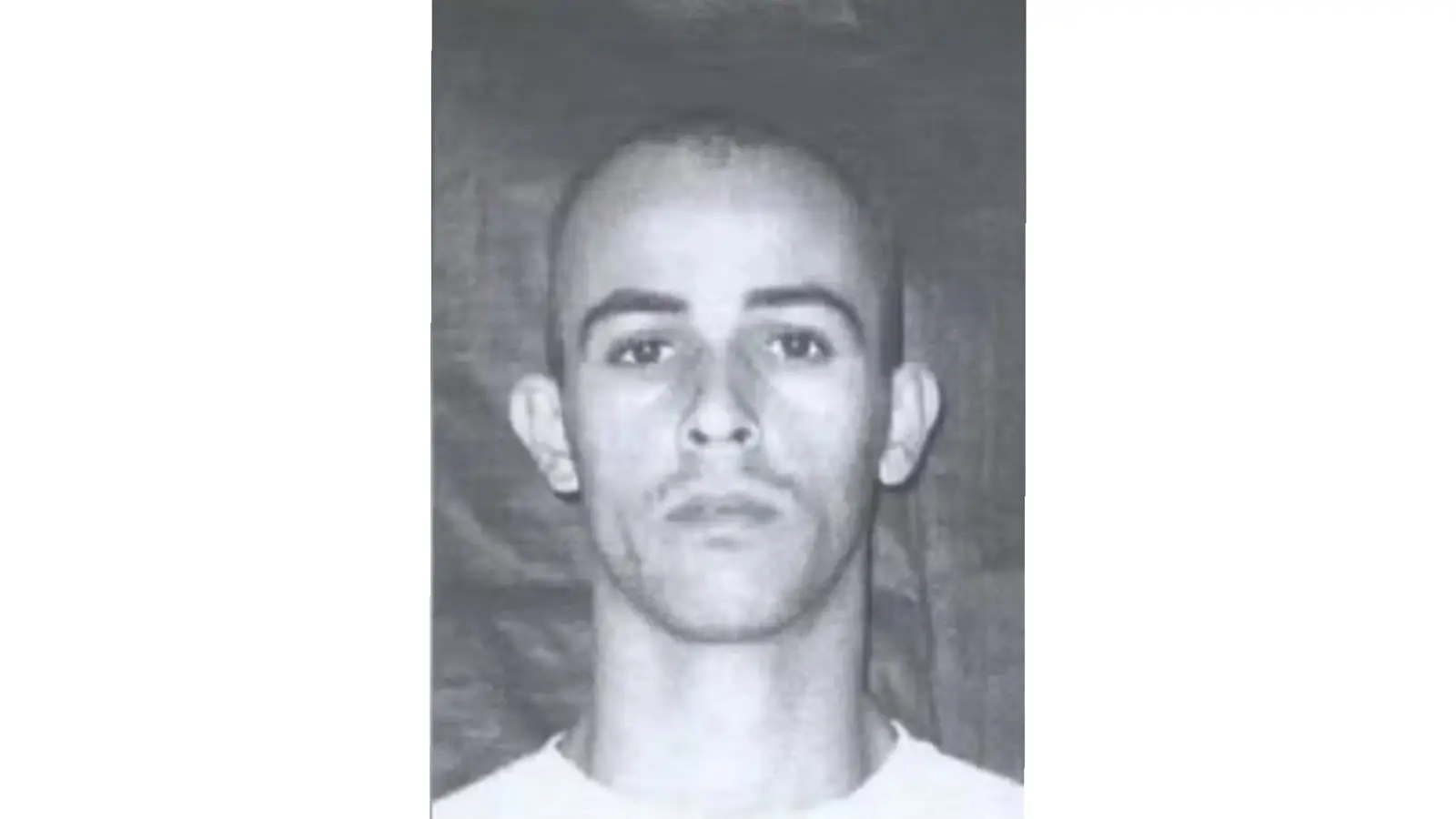
Rio de Janeiro’s Gericinó Penitentiary Complex became a national decision center for the Comando Vermelho, according to single-source reporting from Revista Oeste based on intercepted messages obtained by O Globo. The messages, attributed to Brazil’s Civil Police, show imprisoned leaders sending instructions to criminals in different states.
The orders covered territorial disputes, internal disagreements and punishments inside the criminal faction. Investigators say the conversations show that decisions once centered on Rio de Janeiro now affect the group’s activity in several regions of Brazil.
Prison-Based Command
The Comando Vermelho, or CV, is one of Brazil’s major criminal factions. According to the report, its leadership created what investigators described as a kind of “governance director” to mediate disputes and coordinate action from inside prison.
Police identified that role with Arnaldo da Silva Dias, known as Samurai or Naldinho. He was serving time at the Gabriel Ferreira Castilho Penitentiary, known as Bangu 3, inside the Gericinó complex.
In one intercepted exchange, a CV leader in Rondônia, a state in Brazil’s western Amazon region, described to trafficker Edgar Alves de Andrade, known as Doca, a conflict between CV members and the Primeiro Comando da Capital, or PCC, inside a prison in Porto Velho. The PCC is another major Brazilian criminal faction and a long-running rival of the CV.
According to the report, Doca replied that it would be necessary to “put Samurai on the line” to handle the situation. Dias then passed instructions to faction members in Rondônia.
A Wider Reach
For Rio de Janeiro’s police unit that investigates criminal organizations and money laundering, the dialogue shows Dias acting as a mediator in regional conflicts. Investigators also see the exchange as evidence that he influenced national decisions within the organization.
The inquiry points to a broader centralization of CV decision-making in recent years. Police say that shift followed the faction’s expansion into other Brazilian states and intensified after the CV broke its alliance with the PCC in 2016.
The messages also show Doca and Samurai frequently discussing problems involving CV members in different parts of the country. In one conversation, they discussed rules tied to a truce between the CV and PCC in 2025. That agreement lasted less than three months and ended in April 2025.
Previous Warnings
Authorities had already identified Samurai’s influence inside the prison system in earlier investigations. In 2024, according to Revista Oeste, he drafted an internal faction statement ordering a temporary truce during G20 meetings in Rio de Janeiro.
In November 2025, a court authorized Samurai’s transfer to the Catanduvas Federal Penitentiary in Paraná state. The move followed requests from the Civil Police, Military Police, Federal Police and Brazil’s Public Prosecutor’s Office, an independent prosecutorial institution.
Rio de Janeiro’s Secretariat of Prison Police said the trafficker faced disciplinary proceedings while he was held in Gericinó. Those proceedings included possession or use of a cellphone, according to the report.
The case highlights a recurring challenge for Brazilian prison authorities: major criminal factions can maintain chains of command even while senior members are incarcerated. In this report, investigators describe Gericinó not only as a detention site, but as a place where strategic decisions for a national criminal network were allegedly made.