


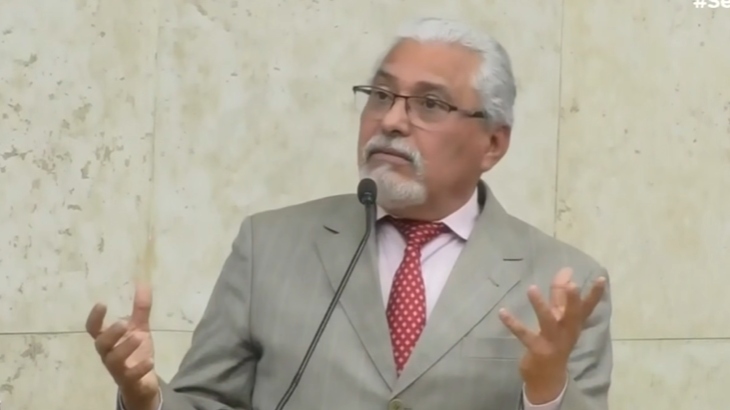
São Paulo city councilman Senival Moura, a member of the Workers' Party (PT), the center-left party led nationally by President Luiz Inácio Lula da Silva, was arrested on June 25 in a police and prosecutorial operation targeting alleged money laundering by the PCC in the city's bus system.
The PCC, or Primeiro Comando da Capital, is Brazil's most powerful prison-born criminal faction. São Paulo prosecutors and Civil Police say the bus company Transunião Transportes S.A. was allegedly used to hide assets and move money linked to the group.
The Operation
Operation Última Parada was led by São Paulo state prosecutors from Gaeco, the organized-crime unit, and the Civil Police's DEIC criminal investigations department. The warrants covered addresses in São Paulo, the metropolitan region and Extrema, in Minas Gerais.
The sources differ slightly on the number of search-and-seizure warrants: Gazeta do Povo reported 104, while Poder360 cited 103, attributing the figure to G1 reporting. The operation included five temporary arrest warrants, with Moura among the targets.
Other named targets include Jair Ramos de Freitas, known as Cachorrão; Devanil de Souza Nascimento, known as Sapo; Lourival de França Monario, the current president of Transunião; and Leonel Moreira Martins, known as Cabeça Branca. CNN Brasil reported early in the day that Moura, Jair Ramos and Devanil had been arrested, while Gazeta do Povo and Poder360 later reported five arrests.
A court also ordered the blocking or seizure of R$194 million in bank accounts linked to the investigated people and the company, as well as 117 vehicles, 21 properties and three vessels. The court ordered Transunião's directors removed and told São Paulo City Hall to take administrative and regulatory measures, including possible intervention.
What Investigators Allege
The investigation began after the 2020 killing of Adauto Soares Jorge, then president of Transunião. Authorities say that case led them to evidence that the bus concessionaire was allegedly being used to launder PCC money and conceal assets.
According to prosecutors and police, Transunião had a parallel command structure that made strategic decisions and transferred funds to people associated with the faction. Investigators also cited a change in the company's corporate structure, saying its share capital rose from just over R$100,000 to more than R$50 million without a clear explanation for the origin of the money.
Transunião received more than R$300 million from São Paulo's public-transport system in 2025, according to the authorities cited by the outlets. Gazeta do Povo reported that the company operates 51 bus lines carrying 389,000 passengers a day, mainly in the city's east side.
G1, citing the case files, reported more specific allegations about Moura's alleged role. It said investigators found messages suggesting informal financial movements and cash transfers depended on his prior approval, and that he appeared in communications under nicknames including "president," "old man" and "councilman." Those claims represent the investigators' position and remain subject to judicial review and the defense's response.
Political and Public Response
Moura is serving his sixth term on the São Paulo City Council. G1 reported that he is first secretary of the chamber's board and chairs the committee responsible for traffic, transport and economic activity, giving the case direct political relevance in the sector under investigation.
His defense, represented by lawyer Márcio Sayeg, said Moura is innocent and received the temporary arrest order with "profound indignation." The defense said it is seeking access to the case files and will present clarifications while exercising Moura's constitutional rights to adversarial proceedings and a full defense.
The São Paulo municipal branch of the PT said it had referred the case to the party's ethics committee. The party said the process could lead to disciplinary measures, including precautionary suspension or expulsion, while preserving the right of defense and due process.
São Paulo City Hall, through its transport department and SPTrans, said Transunião's buses continued operating normally and that service to passengers had not been affected. Mayor Ricardo Nunes, of the Brazilian Democratic Movement (MDB), said the city would take the appropriate measures regarding Transunião after formal notification by the authorities.
The case follows earlier operations that accused PCC-linked groups of using bus companies in São Paulo to launder money from drug trafficking, robberies and other crimes. Prosecutors say the sector is attractive to organized crime because it moves large sums, depends on public contracts and can give illicit funds an appearance of legality.