


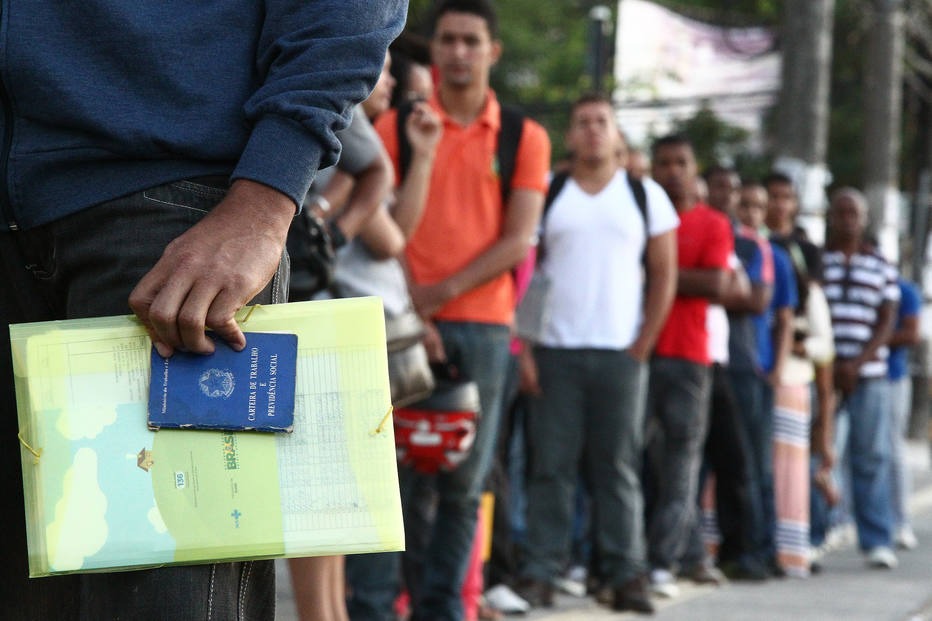
A proposal backed by Brazil’s federal government to abolish the so-called 6x1 work schedule could eliminate more than 600,000 formal jobs, according to a technical note cited by Revista Oeste. The 6x1 model, common in commerce and services, means six days of work followed by one day off.
The note was prepared by Instituto Millenium and Instituto Livre Mercado, two Brazilian policy institutes, and argues that a mandatory reduction in working hours would raise costs before Brazil has achieved the productivity gains needed to absorb them. This article is based on single-source reporting from Revista Oeste, which summarized the document and the projections it cites.
Cost Estimates
According to the report cited by Revista Oeste, countries with shorter workweeks generally reached that point after long periods of productivity growth, technological change and higher income. The institutes argue that cutting hours by law before those gains occur may reduce the total amount of goods and services produced, rather than simply redistribute work.
The technical note cites an estimate from the National Confederation of Industry (CNI), one of Brazil’s main industrial business associations, that a compulsory reduction in working hours could shrink gross domestic product by 0.7%. Revista Oeste reports that the figure would be equivalent to R$76.9 billion, roughly USD 14 billion at recent rates, an approximate conversion.
The article also cites projections from the National Confederation of Commerce of Goods, Services and Tourism (CNC), which represents commerce and services employers. CNC estimated that ending the 6x1 model could add R$358.1 billion a year in costs for those sectors, roughly USD 65 billion at recent rates, and raise payroll expenses by 21%.
Jobs and Prices
The same CNC projection, as reported by Revista Oeste, suggested consumer prices could rise by as much as 13%. The mechanism described in the report is direct: if firms need more workers or more overtime to keep the same operating hours, they may pass part of the higher labor cost to consumers.
On employment, the technical note cites studies by CNC and the Public Leadership Center (CLP), a Brazilian policy organization, estimating losses of about 631,000 and 640,000 formal jobs, respectively. Brazil’s formal labor market refers to registered jobs with legal benefits and payroll protections.
The study says micro and small businesses would be especially exposed. Revista Oeste reports that the document identifies those firms as 99% of Brazilian businesses and argues they have less capacity than larger companies to absorb higher labor costs, reorganize shifts or hire additional staff.
Policy Alternatives
The institutes do not argue against shorter schedules in all cases. According to the article, they recommend more flexibility in labor relations, including collective bargaining, sector-specific agreements, hourly pay and freedom for employers and workers to define schedules that fit each activity.
That framing puts productivity at the center of the dispute. Supporters of shorter workweeks often argue that workers need more rest and that modern economies can produce the same output with fewer hours. The technical note summarized by Revista Oeste takes the opposite view for Brazil’s current conditions: without higher productivity first, it says, the policy risks lower output, higher prices and fewer jobs.
The debate is likely to matter most in labor-intensive sectors such as retail, restaurants and personal services, where opening hours depend heavily on staff presence. The estimates cited in the report are forecasts, not measured effects, and Revista Oeste did not present a government response or a counterestimate from supporters of the proposal.