


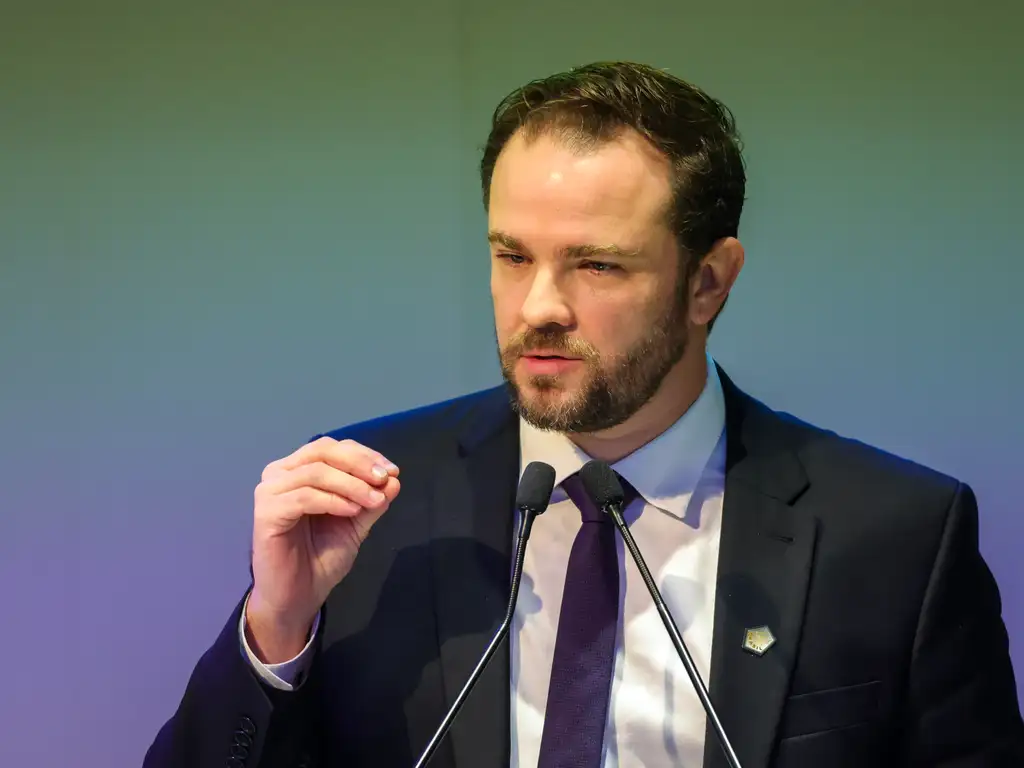
Brazil’s federal government will begin phasing out a R$0.44-per-liter subsidy on gasoline in the coming days, Finance Minister Dario Durigan said on Thursday, July 2, according to Revista Oeste.
The measure was introduced in May after a sharp rise in international oil prices linked to the war involving the United States, Israel and Iran. Durigan said the government now sees room to remove the support gradually because the global oil market has eased.
Brent crude has returned to roughly $70 a barrel, close to the level seen before the conflict, Revista Oeste reported. During the period of greatest tension in the Middle East, the benchmark price had risen above $110.
The subsidy was part of a broader package designed to limit the pass-through of higher oil prices to Brazilian fuel consumers. In Brazil, fuel prices carry political weight because gasoline and diesel costs affect household budgets, freight rates and inflation expectations. Diesel is especially sensitive because road transport dominates cargo movement across the country.
Durigan said the gasoline subsidy will be the first stage of a wider rollback. The government’s goal, he said, is to end all fuel subsidies over the next few months as market conditions normalize.
Some of that process has already started. According to Revista Oeste, the federal government has stopped paying a R$0.35-per-liter subsidy to diesel distributors. It has also ended an agreement with state governments to compensate them for ICMS, a state-level value-added tax, on imported fuel. In addition, federal PIS/Cofins social contribution taxes have again been charged on diesel.
Speaking at an event hosted by O Globo, Valor Econômico and Rádio CBN in Rio de Janeiro, Durigan said the emergency measures adopted during the oil-price spike would be withdrawn as the market returns to normal. He said lower international prices and the prospect of greater stability in the conflict made it possible to start removing the incentives.
This article is based on single-source reporting from Revista Oeste. Today in Brazil could not independently verify the government’s timetable beyond the information attributed to Durigan in that report.