


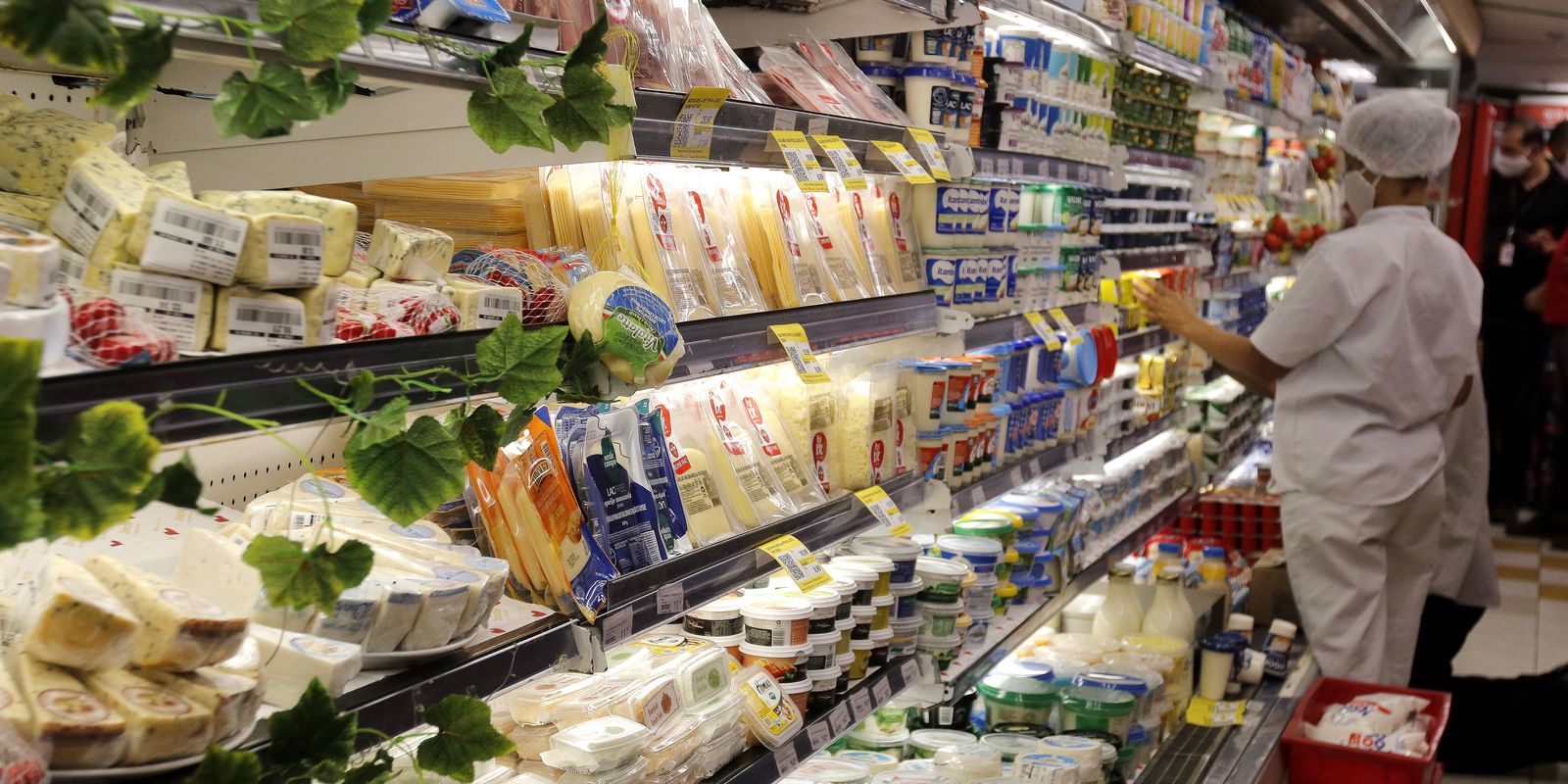
Photo: Agência Brasil.
Brazil’s official consumer-price index, the IPCA, fell 0.32% in August, the largest monthly decline since August 2022, the Brazilian Institute of Geography and Statistics (IBGE) reported on September 11. Prices had risen 0.07% in July. The index had risen 3.11% year to date. The 12-month rate eased from 4.44% to 4.22%, below the 4.27% median forecast in a Reuters poll but above the 3% centre of the government’s continuous inflation target.
The monthly result reflected decreases in several major groups. Housing costs fell 1.87%, led by electricity, while food and beverages declined 0.34% and transport fell 0.86%. Residential electricity prices fell 7.63%, contributing -0.33 percentage point to the index; IBGE attributed the decline to the Itaipu bonus credited to August power bills. Because the bonus applied to bills issued in August, IBGE’s analyst expected a corresponding adjustment in September. Other groups moved higher, including personal expenses, which rose 1.30%, and household goods, up 0.64%.
The result was not evidence that the overall price level had fallen over the year; it described a single month of price changes. The accumulated 12-month increase remained above the target midpoint and within the formal 1.5%–4.5% tolerance band. This distinction matters for interpreting the reading alongside the Central Bank’s subsequent rate decision. The decline in headline inflation supported expectations of monetary easing, although policymakers continued to assess underlying price pressures and forward expectations.
The data provide a national snapshot of price changes rather than a measure of every household’s individual cost of living. Electricity, food and transport had the largest downward contribution to August’s result, while several other categories still recorded increases. The reported figures were compiled by IBGE using its consumer-price survey and were released before the Copom meeting later in September.