


Brazil's government said on April 21 that it is weighing a reciprocal response after the United States asked a Brazilian Federal Police officer to leave the country, in a dispute tied to the case of Alexandre Ramagem, the former head of Brazil's intelligence agency.
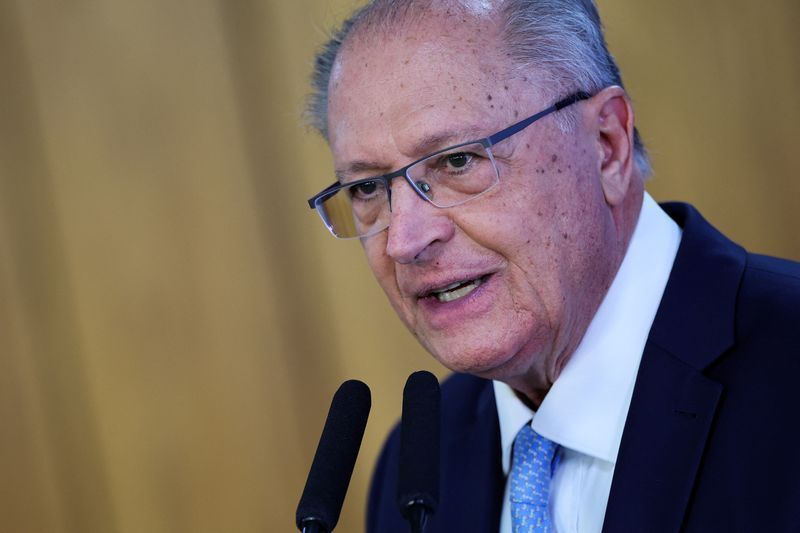
Acting President Geraldo Alckmin said Brazil "always" follows a logic of reciprocity, though he added that the government should wait before deciding on specific measures. Earlier the same day, President Luiz Inácio Lula da Silva said Brazil could expel U.S. law enforcement personnel working in the country if Brasília concludes that Washington acted abusively.
What Triggered the Clash
According to single-source reporting from CNN Brasil, the U.S. government requested the removal of Federal Police officer Marcelo Ivo after he allegedly took part in monitoring activity linked to Ramagem's arrest in the United States. A social media post from the U.S. government's Bureau of Western Hemisphere Affairs said no foreign official could manipulate the U.S. immigration system to bypass formal extradition requests or extend what it described as political persecution onto American soil.
The Brazilian government reacted with surprise, CNN Brasil reported, and immediately began considering how to respond. Lula took the hardest public line, saying that if there had been abuse against the Brazilian officer, Brazil would apply the same principle to American agents operating in Brazil.
Alckmin struck a more cautious note. Speaking to reporters, he repeated the reciprocity principle but said Brasília should wait before acting. That suggests the government is still assessing both the legal basis of the U.S. move and the diplomatic costs of retaliation.
Why It Matters
The clash matters because Brazilian Federal Police officers in the United States and U.S. agents in Brazil work under a memorandum of understanding designed to support police cooperation. In practice, those arrangements help both countries coordinate on transnational investigations, intelligence sharing and law enforcement matters that cross borders.
Foreign Minister Mauro Vieira, also speaking from Germany, said the U.S. request lacked foundation because the Brazilian officer had been working jointly with American authorities. If that account is accurate, the episode could point to a sharp breakdown in trust inside an existing cooperation channel rather than a routine personnel dispute.
The case is also politically sensitive because Ramagem is not a marginal figure. He is the former director of the Brazilian Intelligence Agency (Abin), Brazil's civilian intelligence service, and his legal troubles already carry domestic political weight. Any attempt to pursue related actions abroad was likely to draw scrutiny in both capitals.
What Comes Next
For now, Brazil's public message is two-track: open irritation, but no immediate retaliation. That leaves room for behind-the-scenes talks before either side escalates. A reciprocal expulsion of American agents would turn a law enforcement dispute into a more formal bilateral conflict.
The immediate unanswered question is whether Brazil concludes the U.S. decision was justified under the cooperation agreement, or whether it sees the move as a breach of that partnership. Until then, the episode is likely to test one of the quieter but more important parts of the U.S.-Brazil relationship: operational trust between their police and diplomatic institutions.