


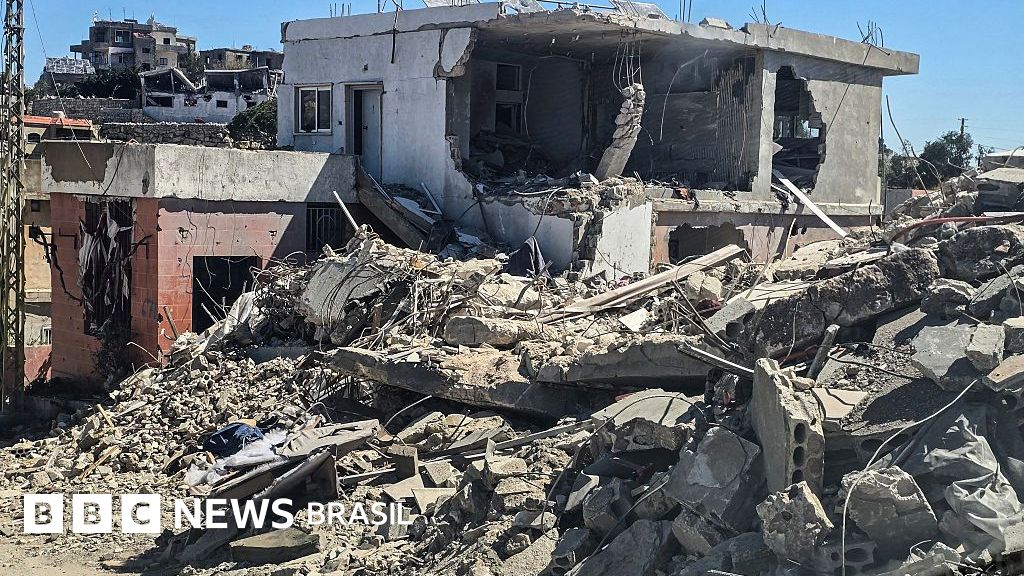
A Brazilian woman and her 11-year-old son were killed in Lebanon after an Israeli strike hit their home in Bint Jbeil, a district in the country's south, Brazil's Foreign Ministry said on Monday, according to single-source reporting from BBC News Brasil.
The woman's Lebanese husband also died. Another child in the family, who is Brazilian, was injured and remains hospitalized, the ministry said.
The deaths place Brazil directly inside a conflict that has already displaced more than 1.2 million people in Lebanon, according to figures cited by BBC News Brasil. They also underline an unusually close connection between the two countries: Lebanon hosts the largest Brazilian community in the Middle East, estimated by Brazil's government at about 21,000 people.
Brazil's Lebanon Link
The connection runs even deeper in the opposite direction. Brazil has one of the world's largest Lebanese-origin communities. A 2024 BBC report syndicated by G1 estimated that Lebanese citizens and descendants in Brazil number around 8 million people, larger than Lebanon's own resident population.
That diaspora is a visible part of Brazilian public life, business and politics, the result of immigration waves that began in the late 19th century and expanded through the 20th century. For Brazilian readers, Lebanon is not a distant conflict zone only in diplomatic terms; many families have relatives, ancestry or commercial ties linked to the country.
In a statement cited by BBC News Brasil, Brazil's Ministry of Foreign Affairs, known as Itamaraty, described the deaths as another example of what it called repeated and unacceptable violations of the ceasefire. The ministry said the violence had already killed dozens of Lebanese civilians, including women and children.
"Brazil reiterates its strongest condemnation of all attacks perpetrated during the ceasefire, both by Israeli forces and by Hezbollah," the ministry said, according to BBC News Brasil.
A Fragile Ceasefire
The ceasefire between Israel and Lebanon was agreed on April 16 for an initial 10-day period and was later extended for three weeks after negotiations mediated by the United States. Israeli Prime Minister Benjamin Netanyahu described the truce at the time as an opportunity to build a historic peace agreement, according to BBC News Brasil.
Hezbollah, the Iran-backed Shiite political and military group deeply rooted in Lebanon but outside the Lebanese state's formal security apparatus, also signaled willingness to participate. It said the ceasefire should include a full suspension of attacks across Lebanon and no freedom of movement for Israeli forces.
Despite the truce, new violence has continued. Israel and Hezbollah have accused each other of breaching the agreement. The United States said the ceasefire terms preserved Israel's right to act in self-defense against planned, imminent or ongoing attacks, while requiring Lebanon to take significant steps to prevent Hezbollah and other armed non-state groups from attacking Israeli targets.
Civilian Toll
Lebanese government figures cited by BBC News Brasil say at least 2,475 people have been killed and more than 7,500 injured since the start of the war, including women and children. Lebanon's Health Ministry has also reported deaths among health workers and attacks on ambulances and medical facilities.
Israeli authorities, according to the same BBC report, say Hezbollah attacks killed two civilians in Israel and 13 soldiers during fighting in Lebanon.
Brazil called for an immediate end to hostilities and the full withdrawal of Israeli forces from Lebanese territory. Itamaraty also condemned what it described as systematic demolitions of homes and other civilian structures in southern Lebanon, as well as the continued forced displacement of more than one million Lebanese people.