

Brazil’s attempt to tighten platform accountability rules has moved from a legal dispute into a wider political fight involving Congress, technology companies and U.S. trade pressure. The issue follows a ruling by Brazil’s Supreme Federal Court (STF) that partially changed Article 19 of the Marco Civil da Internet, the country’s internet civil rights framework.
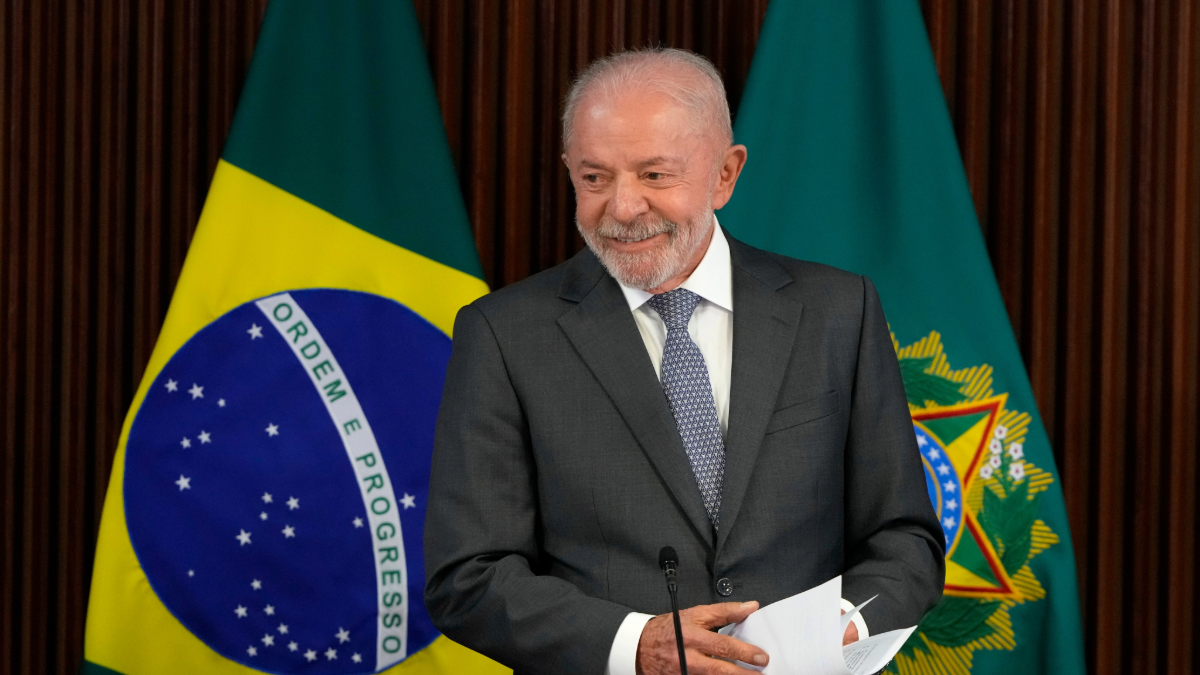
According to Tech Policy Press, President Luiz Inácio Lula da Silva’s government issued decrees meant to operationalize the new liability framework after Congress failed to pass legislation on the matter. Within 24 hours, lawmakers filed 26 legislative decree proposals seeking to suspend or change the rules.
What the Decrees Do
One decree is tied directly to the Marco Civil. It would require platforms to exercise a duty of care over criminal content, act against online fraud and place oversight powers with Brazil’s National Data Protection Authority (ANPD). A second decree focuses on online violence against women, including a requirement that platforms remove non-consensual intimate images within two hours.
The legal background is unsettled. For about a decade, platforms in Brazil were generally not liable for user-generated content unless they ignored a court order. The STF ruling changed that framework, but the court itself pointed to Congress as the body responsible for setting detailed rules. Tech Policy Press reported that the STF was still reviewing appeals from technology companies, with a final ruling expected on June 17, 2026.
That gap is central to the dispute. Supporters of the decrees argue that the executive branch can regulate administrative implementation while Congress remains inactive. Critics say the decrees create new obligations without legislation and give the ANPD responsibilities beyond its proper mandate.
The Congressional Challenge
The legislative proposals came mainly from opposition lawmakers, including members of PL, the party of former president Jair Bolsonaro. Tech Policy Press reported that several filings used nearly identical arguments, and some repeated the same language.
The objections focus on executive authority, free speech and legal certainty. The proposals argue that the decrees exceed the presidency’s power, introduce vague terms such as “systemic failure” and “duty of care,” and may push private companies into excessive takedowns of lawful content.
Industry groups made similar points in an open letter cited by Tech Policy Press. The Brazilian Chamber of the Digital Economy, the Latin American Internet Association and Conselho Digital warned that the decrees use an unusual regulatory path and could create uncertainty for companies and users.
Other legal scholars defended the government’s authority. Conrado Hübner, a law professor cited by Tech Policy Press, argued that weak platform regulation shows how legislative silence may reflect corporate influence rather than a genuine democratic choice. Seven other researchers also defended the decrees as an exercise of digital sovereignty within the limits set by the STF.
Washington Enters the Debate
The pressure is not only domestic. Tech Policy Press reported that the U.S. Trade Representative proposed new 25% tariffs on Brazilian goods on June 1, 2026, as part of an investigation into alleged anti-competitive practices affecting American companies. The notice cited digital markets, payment systems, ethanol, corruption and deforestation.
The U.S. notice also referred to Brazil’s PIX instant payment system and to “secret court orders” suspending accounts and platforms, a reference to decisions by Justice Alexandre de Moraes. It cited the STF’s Article 19 ruling as a source of uncertainty for companies, saying it could force platforms to choose between liability risk and removing potentially lawful content.
For Brazil, the dispute tests more than content moderation policy. It raises a constitutional question over whether major digital rules should come from Congress, the courts or executive decrees. It also raises a sovereignty question: whether Brazil can set rules for platforms operating in its market without those rules becoming part of trade negotiations with Washington and U.S.-based technology companies.